From a Royal Wedding to Hudson: How Oktoberfest Became Everybody’s Party

Here’s something I didn’t know until I started digging into the history of Oktoberfest:
The first Oktoberfest wasn’t really about beer.
It started with a wedding.
In October 1810, Crown Prince Ludwig of Bavaria married Princess Therese of Saxe-Hildburghausen in Munich. The celebration went on for several days and ended with a big public horse race on October 17.
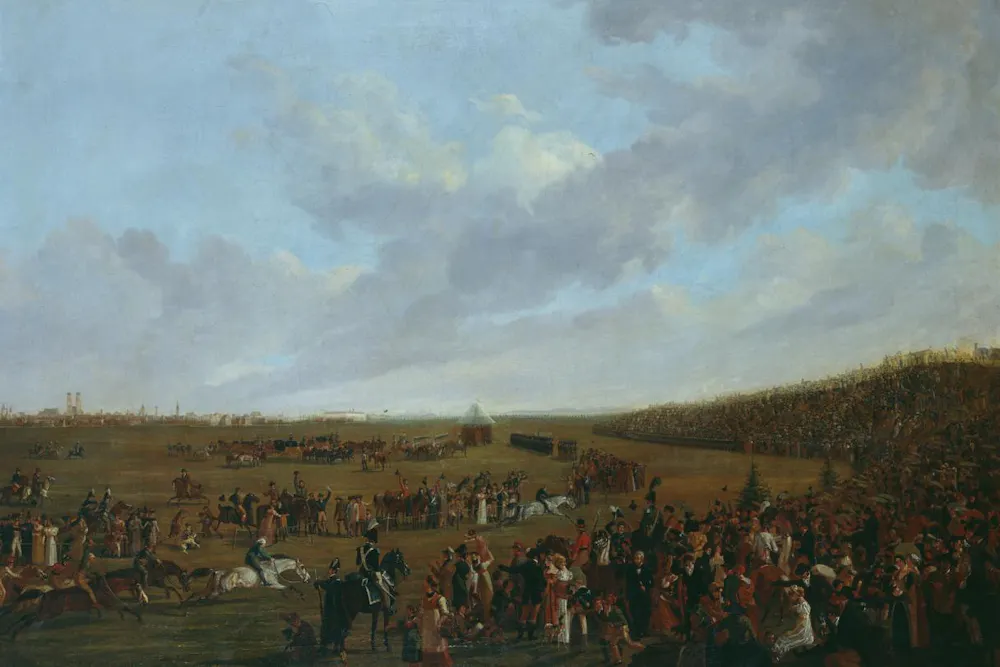
The race took place on a meadow outside the city gates. The field was named Theresienwiese — “Therese’s Meadow” — in honor of the bride. Munich locals eventually shortened that to “Wiesn,” which is still what many people there call Oktoberfest today.
Apparently, people had a pretty good time.
Because the next year, they wanted to do it again.
And that may be my favorite part of the whole story.
There wasn’t another royal wedding. People simply liked the idea of getting everybody together.
Over time, the horse race grew into a much bigger public festival. Food and drink became a larger part of it. So did music, attractions and all the other things we now associate with Oktoberfest. By 1819, Munich had taken over responsibility for the event because it had become both a major public gathering and an economic draw for the city.
Then Oktoberfest started traveling
During the 1800s, millions of Germans immigrated to the United States. They brought a lot more with them than their luggage.
They brought food, brewing traditions, music, clubs, customs and ways of gathering together.
By 1860, about 1.3 million German-born immigrants were living in the United States. By 1890, that number was around 2.8 million, with especially large German-American populations in places like Cincinnati, Milwaukee and St. Louis. More than five million people left Germany for the United States during the 19th century.
Those communities helped carry German traditions into American life. Some survived almost unchanged. Others changed as generations passed and different communities made them their own.
Oktoberfest was one of those traditions.
And I think that gets at why it continues to work more than 200 years after that first horse race.
It was never really just about beer
Don’t get me wrong. As a brewer, I am certainly not arguing against the beer.
But the beer works because there are people around the table to share it with.
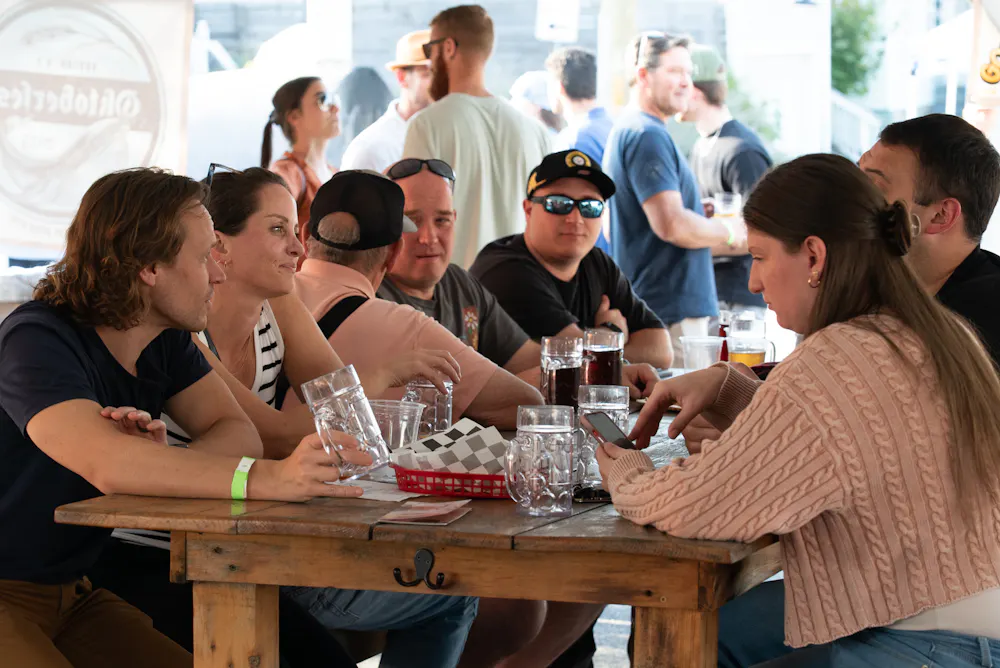
Take away the German names for a moment and look at what Oktoberfest really is:
Good food.
Music.
Friends.
Families.
People you know.
People you haven’t seen for six months.
And probably a few people you meet for the first time.
That idea travels pretty well.
Which brings us to Hudson
I don’t think our job is to somehow recreate Munich in Hudson, New York.
That wouldn’t be very Hudson anyway.
What I hope we can do is build Hudson’s version of Oktoberfest.
That means bringing together breweries and other craft beverage makers from around our area. It means live bands, food, local makers, families, friends and plenty of familiar faces.
This year it also means using the festival to help support local animal shelters, rescues and humane organizations doing important work throughout our community.
And hopefully it means getting a whole lot of people together who might not otherwise find themselves standing next to each other on the same Saturday afternoon.
That’s what I like about events like this.
They create traditions almost by accident.
Someone says, “Remember that thing we did last fall?”
Then the next year it becomes, “Are we doing that again?”
And eventually nobody even asks.
It’s just something the community does.
That’s essentially what happened in Munich more than two centuries ago. People enjoyed gathering together and decided it was worth doing again.
We’re obviously a few years behind them.
But every tradition has to start somewhere.
So on Saturday, October 3, we’ll fill the grounds around our old train station again with beer, cider, wine, food, music, makers, friends, families and a whole lot of Hudson Valley people.
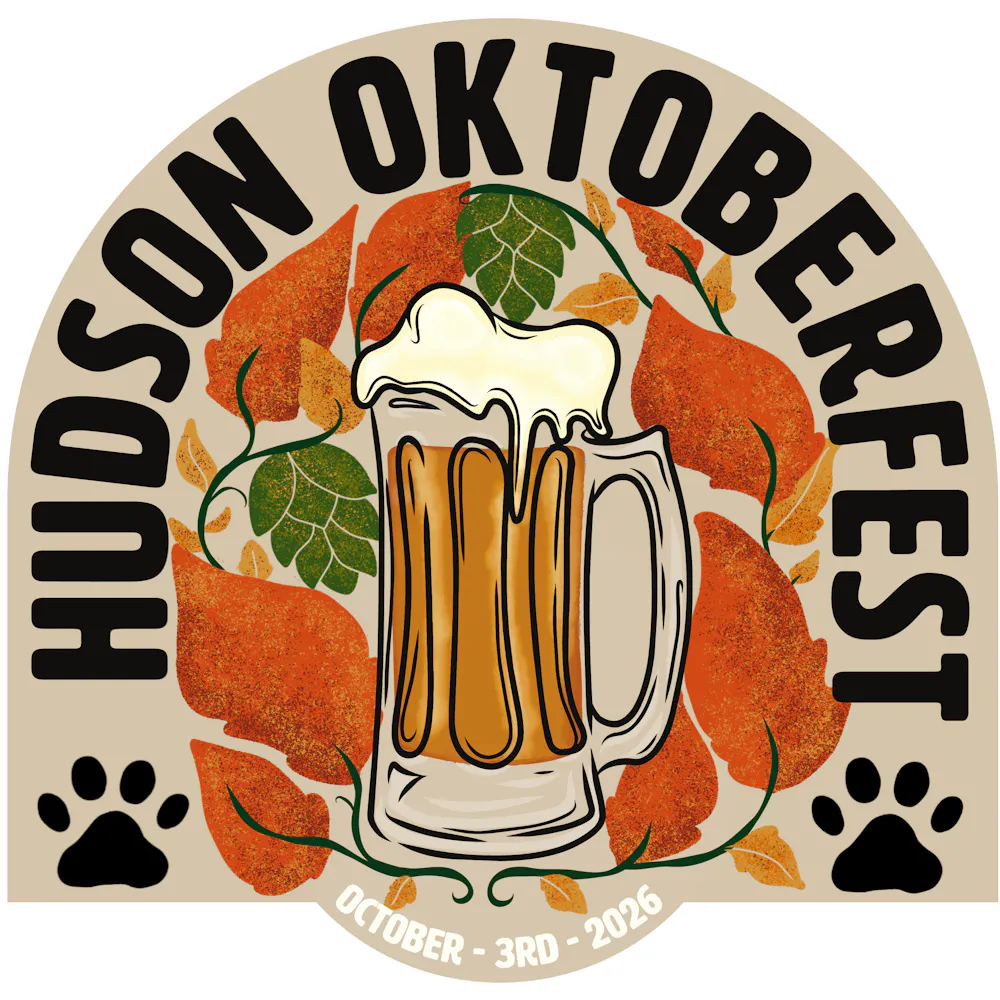
Maybe decades from now people will simply say:
“Of course we’re going to Oktoberfest. It’s October in Hudson.”
I’d be pretty happy with that.
— Aaron
3 Oktoberfest Facts You Can Use Over a Beer
1. The first Oktoberfest wasn’t a beer festival.
It was part of a royal wedding celebration and ended with a horse race.
2. Oktoberfest’s famous “Wiesn” nickname comes from the bride.
The festival grounds were named Theresienwiese in honor of Princess Therese.
3. Oktoberfest became an annual tradition because people wanted it back.
The celebration returned the following year and eventually became a city-supported annual festival.
Hudson Oktoberfest 2026
Saturday, October 3 | 12–8 PM
Upper Depot Brewing Co.
708 State Street, Hudson